[A1]
Influence & Proof Advisory
Visibility is
not influence.
What are you trying to prove?
[A1]AG Consultancies helps donor-funded organizations test their claims against the evidence, align partners around the same account of change, and communicate responsibly in politically sensitive settings.

FOUNDER-LED BY ALI GHAITHPALESTINE · MENACLAIM → EVIDENCE → ADOPTION → INFLUENCE
[A2]
THE PROBLEM
AGC NAMES
The Proof Gap
The work is visible.
Can the claim be proved?
A Proof Gap appears when an organization cannot connect what it did to what it says changed. The evidence may be incomplete, partners may be telling different stories, or the claim may ignore how decisions actually move.
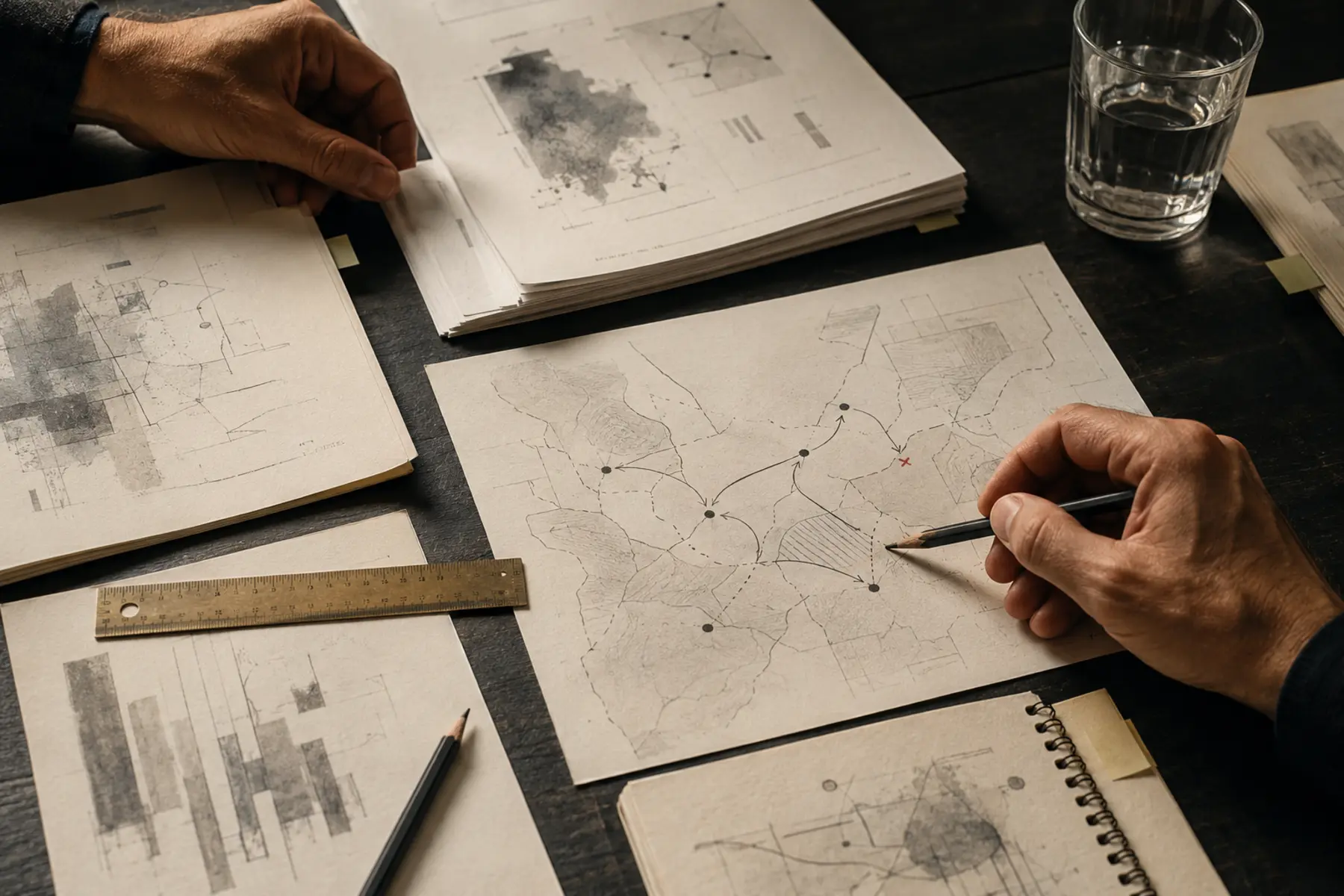
What credibly supports it?
Who needs to believe or use it?
What could be harmed?
[A3]
We work in the space between what is said, and what is possible.
— Context first.
— Evidence always.
— Influence ethically.
— Communicate safely.
How engagements begin
Diagnose the problem.
Then define the work.
Test the claim first.
Build what the team will use.
DIAGNOSE
Proof Gap Diagnostic
Find where the claim breaks: in the evidence, the decision pathway, partner alignment, or the language used to describe the result.
ARCHITECT
Influence & Proof Lab
Rebuild the part that is failing, from evidence logic and decision pathways to shared language and working tools.
ADVISE
Strategic Advisory
Advise leaders as evidence changes, relationships shift, and public language carries institutional or political consequences.
Influence OS
Influence is adoption,
not attention.
Attention shows that people encountered an idea. Influence requires evidence that they understood it, used it, or acted differently because of it.
Explore the method →
- 01DiagnoseTest the claim against the evidence, context, and decision at stake.
- 02ArchitectMap how the idea must move through people, relationships, and decisions.
- 03EquipGive the team rules, language, and tools it can use under pressure.
- 04ReviewCheck what was used, what changed, and what the evidence permits us to claim.
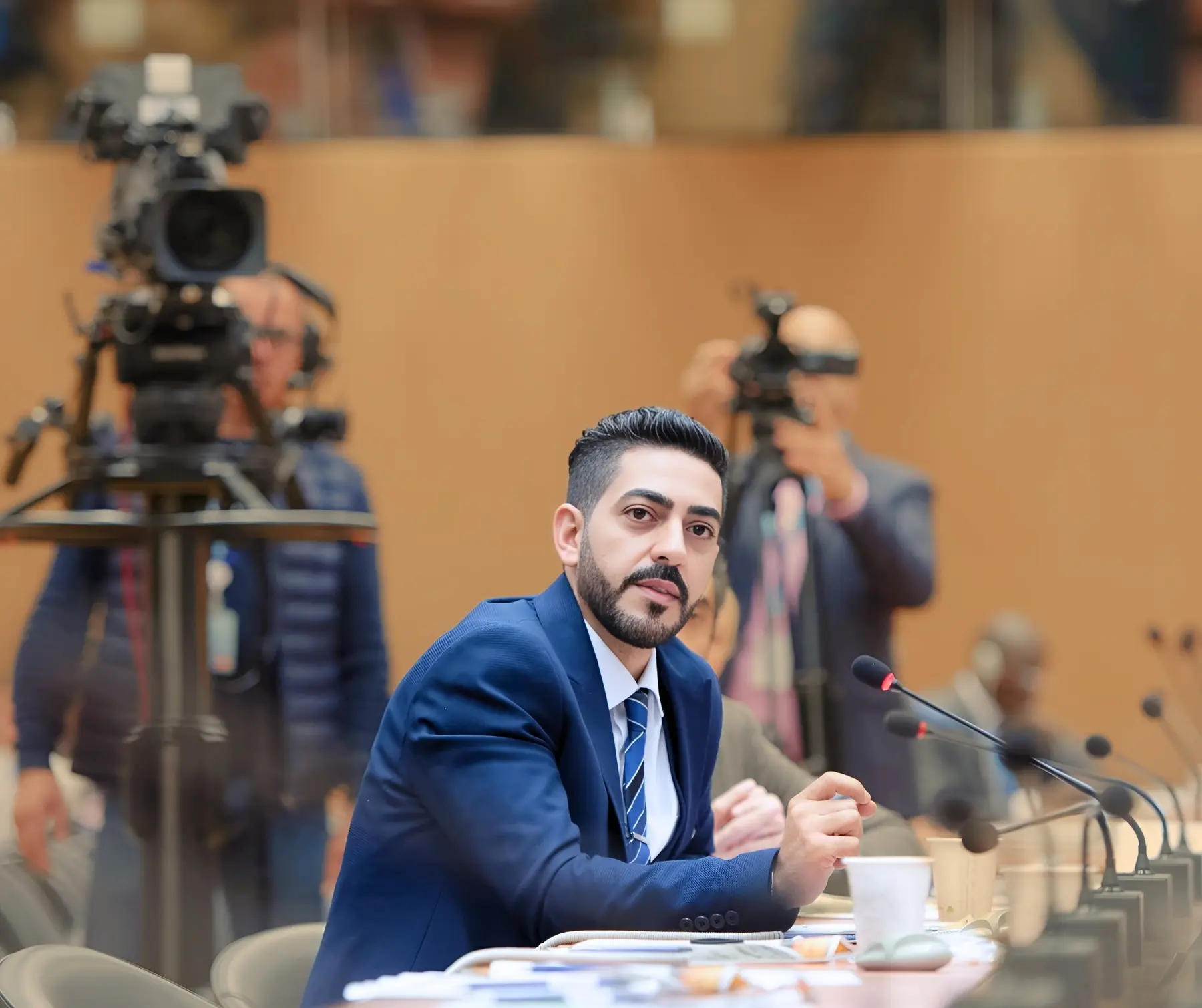
Founder-led senior advisory
Ali leads the work that depends on context, evidence, and judgment.
For more than 15 years, Ali Ghaith has worked where advocacy, strategic communication, media, donor visibility, and stakeholder relationships meet. He works directly on the diagnosis, the choices it requires, and the tools a team must keep using after the engagement ends.
[A4]If a decision-maker asked
If a decision-maker asked
“How do you know?”
Could the team give the same answer, point to the evidence, and explain the limits of the claim?
Request a focused conversation ↗︎